
The Financial Impact of Winter Accidents: How Auto Insurance May Help
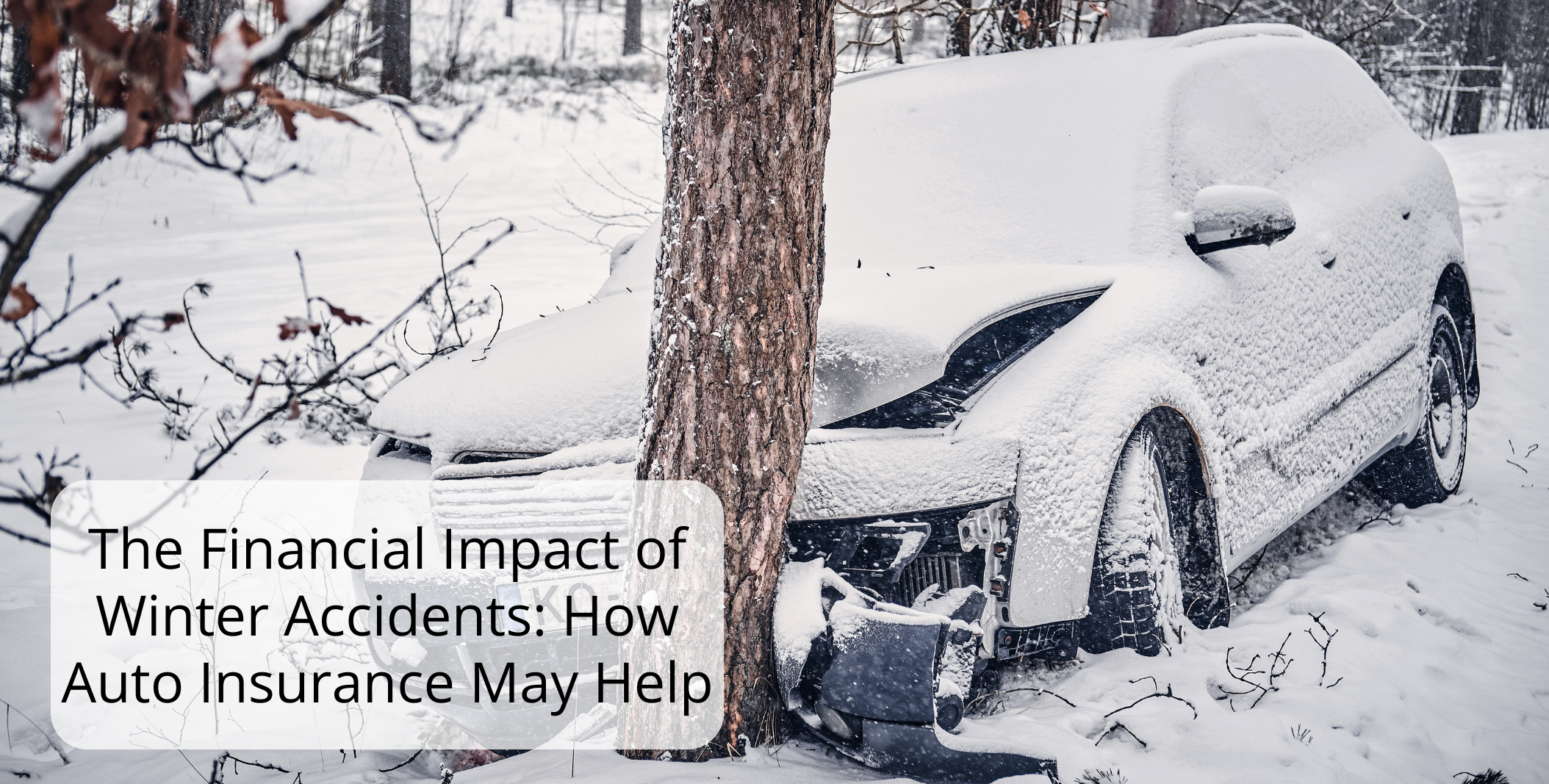
Winter weather can transform a familiar commute into a challenging experience. Between black ice, reduced visibility, and heavy snowfall, the risk of road incidents typically increases during the colder months. Beyond the immediate stress of an accident, the potential financial consequences—ranging from vehicle repairs to medical bills—can be significant.
Understanding how different types of auto insurance generally function can help individuals prepare for the financial unpredictability of winter driving.
Winter conditions often lead to specific types of damage that carry varying price tags. Without the appropriate coverage in place, these costs are often the responsibility of the vehicle owner.
Insurance policies are generally composed of several different “parts,” each designed to address specific types of financial loss.
If a driver is determined to be at fault for an accident—for example, if they were unable to stop in time on a slushy road and hit another car—liability coverage typically helps pay for the other party’s property repairs and medical expenses. This coverage is generally required by law in most states.
Collision coverage is the portion of a policy that may help pay for repairs to your own vehicle if it is damaged in an accident, regardless of who is at fault. This often includes single-vehicle accidents, such as sliding off an icy road into a ditch.
Not all winter damage occurs while driving. Comprehensive coverage usually applies to “acts of nature” or events outside of the driver’s control. This might include damage from a falling icicle or a tree limb that breaks under the weight of heavy snow while the car is parked.
Many drivers choose to add Roadside Assistance to their policies. In winter, this can be particularly helpful for services like battery jump-starts in extreme cold, winching a vehicle out of a snowbank, or towing a disabled car to a repair shop.
While insurance provides a safety net, the specific details of a policy, such as deductibles and coverage limits, play a major role in the final financial outcome.
Winter accidents can happen to even the most cautious drivers. While it is impossible to eliminate every risk, having a clear understanding of your insurance options can help mitigate the financial impact of the season.
Because every policy is different and state laws vary, it is often useful to discuss your specific needs with an insurance professional. They can help review your current coverage and explain how various options might apply to your unique situation.
Disclaimer: The information provided in this article is for educational purposes only. This is not an all-inclusive list of coverages or exclusions, and coverage can vary significantly by policy and circumstances. It is important to consult with a qualified insurance professional for advice tailored to your specific circumstances.